 By Kathryn Roqueeto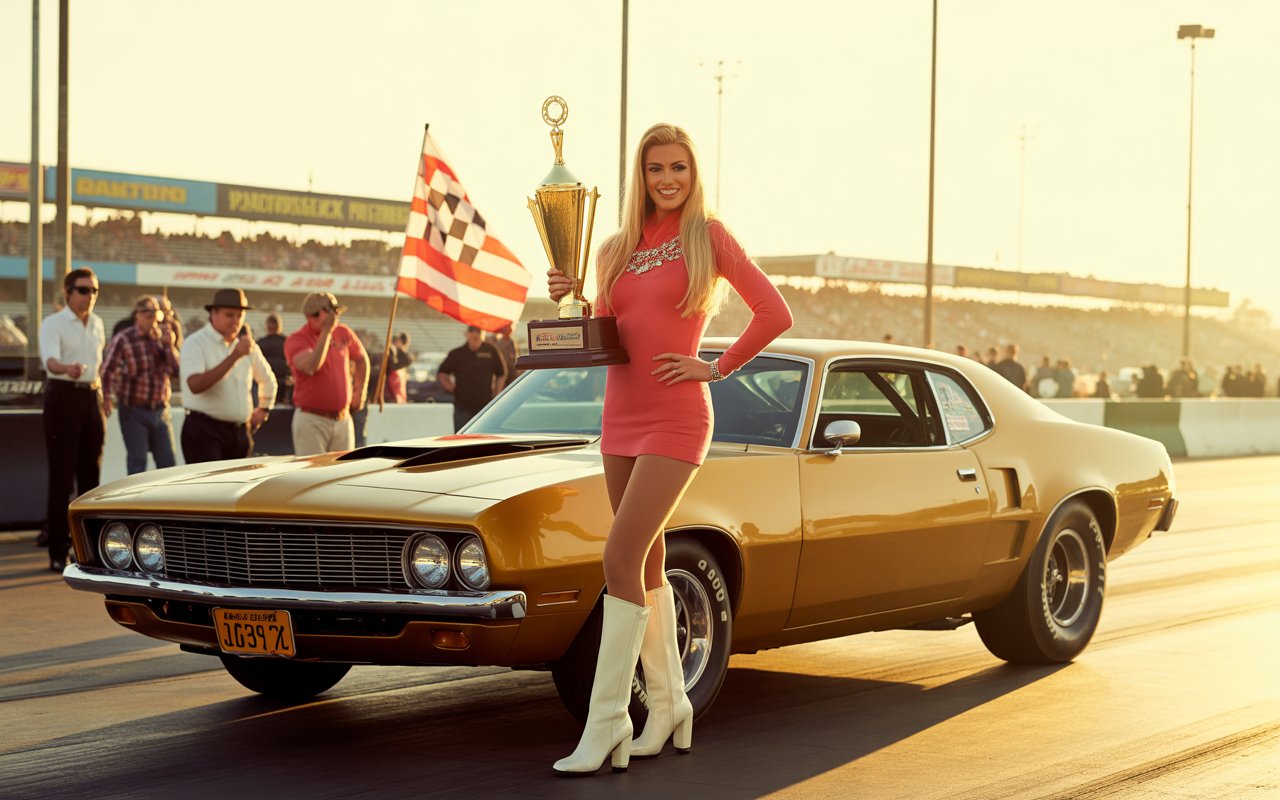
Barbara Roufs is remembered as a distinctive and influential figure from the golden era of American drag racing during the 1970s. Her name continues to generate interest decades later, reflecting the lasting impression she left on motorsports culture and popular imagery of that time. Known for her presence at racing events, Barbara Roufs became a symbol of an era defined by speed, style, and bold personality, capturing the spirit of a rapidly evolving motorsports scene.
Role in Drag Racing Culture
During the height of drag racing’s popularity, event presentation played a major role in shaping fan engagement. Barbara Roufs was part of this cultural movement, appearing prominently at races and contributing to the atmosphere that surrounded competitive motorsports. Her presence helped bridge the gap between sport and spectacle, making racing events more vibrant and memorable for audiences. This role placed her among the recognizable faces of the drag racing community during that period.
Visual Identity and Public Recognition
Barbara Roufs stood out due to her striking visual identity, which reflected the fashion and attitude of the 1970s. Her style aligned perfectly with the bold aesthetics of motorsports culture at the time, combining confidence, individuality, and charisma. This visual presence played a key role in her recognition, making her an enduring image associated with classic drag racing history and nostalgia.
Cultural Impact Beyond the Track
The influence of Barbara Roufs extended beyond racing events themselves. She became part of a broader cultural narrative that celebrated freedom, individuality, and the excitement of American car culture. Her image continues to be referenced in retrospectives of motorsports history, highlighting how figures connected to racing helped shape the identity and appeal of the sport during its formative years.
Legacy and Continued Interest
Despite the passage of time, interest in Barbara Roufs remains strong. Enthusiasts of classic drag racing and automotive history often revisit her story as part of a larger appreciation for the era. This continued attention reflects the lasting impact of personalities who helped define motorsports culture, even when their roles were outside direct competition.
Representation of an Era
Barbara Roufs represents more than an individual figure; she embodies a specific moment in American cultural history. The drag racing scene of the 1970s was about more than machines and speed—it was about community, style, and expression. Her presence captured these values, making her a recognizable symbol of that dynamic period.
Digital Rediscovery and Nostalgia
Modern digital platforms have played a role in reviving interest in historical figures from motorsports culture. Searches for Barbara Roufs often come from audiences seeking to understand the people who shaped the sport’s visual and social identity. This rediscovery highlights the power of nostalgia and the enduring appeal of classic motorsports imagery.
Conclusion
Barbara Roufs remains an enduring icon of classic drag racing culture, remembered for her role in shaping the atmosphere and identity of the sport during a defining era. Her legacy continues through historical reflection and cultural appreciation, demonstrating how individuals associated with motorsports can leave a lasting impression beyond the track. As interest in automotive history grows, her name stands as a reminder of the vibrant spirit that once defined American drag racing.