 By Kathryn Roqueeto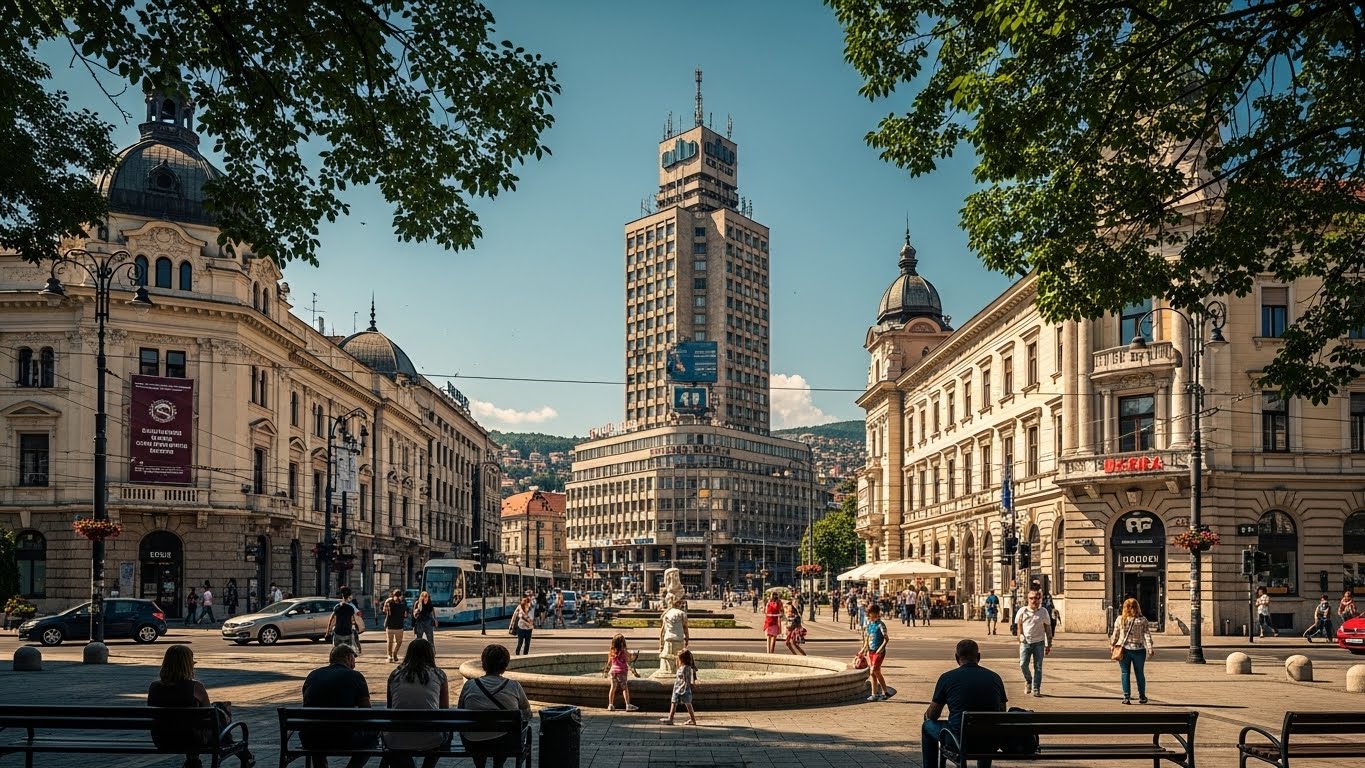
Marijin Trg is recognized as an important urban square that reflects cultural depth, historical continuity, and community connection. Over time, many public squares around the world have become more than simple gathering locations, transforming into spaces that carry the identity of the surrounding region. Marijin Trg follows this pattern by serving as a place where daily activities, cultural memories, and architectural impressions come together. As modern cities continue to grow and evolve, places like Marijin Trg help preserve a sense of tradition while adapting to contemporary social needs. Its atmosphere, daily rhythm, and varied uses have made it a location that captures both local life and visiting interest.
Historical Roots of Marijin Trg
Understanding Marijin Trg begins with looking at its historical roots, which often reflect the social and cultural developments of the region. Urban squares have historically been spaces where markets, community events, and public gatherings took place. Marijin Trg continues this tradition through its layout and the role it plays in everyday life. Whether its origin is tied to a religious landmark, a civic structure, or a longstanding marketplace, the square represents the evolution of communal spaces across generations. The layered history of Marijin Trg adds depth to its character, offering a story that changes with each chapter of the surrounding city’s growth.
Cultural Importance of Marijin Trg
Cultural identity is strongly shaped by locations where people interact daily, and Marijin Trg has become a symbol of community life. The square often serves as a meeting point where local residents gather, socialize, and participate in cultural activities. Festivals, performances, and public celebrations can contribute to the cultural atmosphere, making the square feel lively and expressive. This connection between space and culture is one of the reasons Marijin Trg continues to be valued in its region. Its role in maintaining cultural continuity shows how important such urban landmarks are in preserving shared identity.
Architectural Presence and Urban Layout of Marijin Trg
The architecture surrounding Marijin Trg often plays a key role in shaping its character. Public squares are usually designed with open spaces, walkways, seating areas, and surrounding buildings that create a sense of structure and harmony. Marijin Trg may feature architectural styles that reflect different periods of development, showcasing transitions from traditional elements to more modern design influences. This blend of styles gives the square a distinctive personality. The layout may include pathways that guide foot traffic, open areas that support gatherings, and visual elements that help define the mood of the location. These features help make Marijin Trg an appealing space for visitors and locals alike.
Daily Life and Social Atmosphere at Marijin Trg
One of the defining aspects of Marijin Trg is the social atmosphere that develops throughout the day. Public squares often shift in character depending on the time, with mornings focusing on movement, afternoons bringing activity, and evenings offering a more relaxed environment. Marijin Trg reflects these rhythms by accommodating different types of daily life. People may pass through on their way to work, meet friends, enjoy outdoor seating, or simply observe the surroundings. The presence of small shops, cafes, or cultural spots nearby can also contribute to the vibrant atmosphere. This daily flow of human activity adds life to the square and strengthens its role as a central gathering place.
Marijin Trg as a Symbol of Community Connection
Urban spaces that hold emotional and social value become symbols of community connection, and Marijin Trg is one such example. Over the years, people come to associate memories, experiences, and personal moments with these locations. Whether through celebrations, public events, or ordinary interactions, the square becomes a part of the community’s collective memory. This deep connection makes Marijin Trg more than just a physical space; it becomes a representation of unity, shared identity, and the spirit of the people who visit it regularly. Spaces that encourage connection remain important even as urban environments continue to change.
Tourism and Visiting Experience at Marijin Trg
Many public squares also become points of interest for visitors, and Marijin Trg is no exception. Travelers are often drawn to open public spaces because they offer an authentic glimpse into how the city functions and how locals interact. The experience of visiting Marijin may involve observing the architecture, exploring surrounding shops, or simply enjoying the atmosphere. For tourists seeking to understand the cultural landscape of a city, such squares provide an accessible starting point. Marijin may serve as a gateway that introduces the area’s traditions, lifestyle, and public culture.
Modern Developments and the Future of Marijin Trg
As urban design continues to change with modern needs, Marijin may undergo developments that aim to improve its functionality while preserving its identity. These improvements can involve enhancing pedestrian spaces, renovating surrounding structures, or organizing cultural programs that attract both locals and visitors. Modern development strategies often aim to balance tradition with innovation, ensuring that historic spaces remain relevant without losing their original charm. The future of Marijin may involve more community-focused activities, improved accessibility, and thoughtful integration of new elements that enhance its role in the city.
Conclusion
Marijin Trg stands as a meaningful urban space that reflects cultural heritage, social interaction, and historical continuity. From its architectural surroundings to its daily rhythms, the square captures the essence of a lively community hub. As cities continue to evolve, the importance of such spaces. Becomes even more evident, offering places where tradition meets modern life. Marijin remains a valuable symbol of its region’s identity, providing a location where people can gather, connect, and create shared memories. Its lasting presence highlights the enduring importance of public squares in shaping both culture and community.