 By Kathryn Roqueeto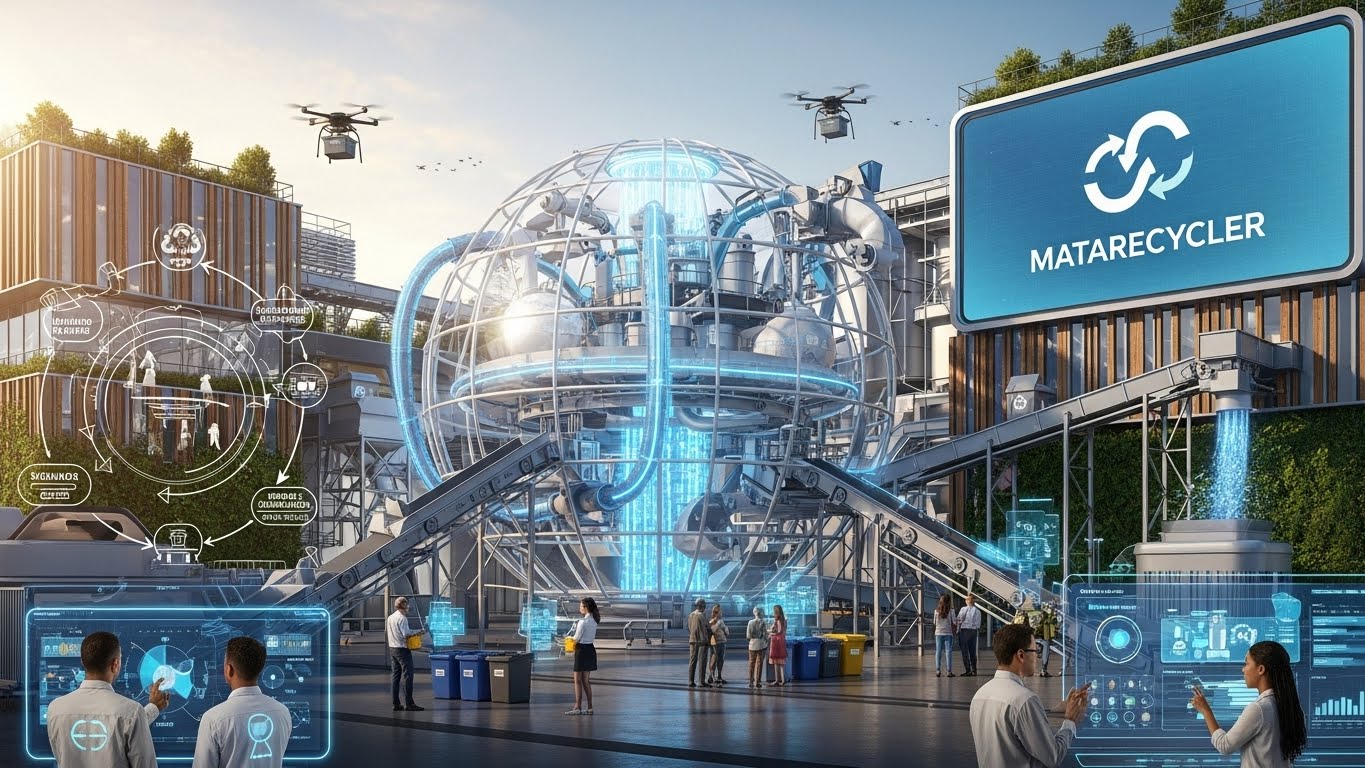
Matarecycler has emerged as an important term connected to modern recycling practices, innovative waste treatment systems, and smarter approaches to environmental management. As global awareness about waste reduction and sustainability grows, the need for advanced recycling technologies becomes more essential than ever. Matarecycler represents a mindset of responsible consumption and an evolving system of processing materials in ways that support the environment and future generations. Whether applied in households, industries, or community recycling programs, the concept behind matarecycler reflects a forward-looking approach to managing waste effectively. This article explores the meaning of matarecycler, its role in today’s world, the technology associated with it, and how it contributes to larger environmental goals.
Understanding the Concept of Matarecycler
Matarecycler generally refers to the systems, tools, and processes used to transform waste into reusable materials. Its purpose is to reduce the negative environmental impact of waste by ensuring that recyclable substances are properly collected, sorted, and processed. The idea behind matarecycler highlights the importance of turning waste into useful resources instead of allowing it to accumulate in landfills or be burned, which contributes to pollution.
The term can include machines, software systems, manual practices, and community-based recycling models. It also emphasizes education and awareness, since individuals and businesses need guidance on what can be recycled, how waste should be separated, and why sustainable waste management matters. As recycling becomes more integrated into everyday life, the influence of matarecycler continues to expand across different industries and communities.
Why Matarecycler Matters in Today’s World
Environmental concerns have increased significantly over the past few decades. Excessive waste production, overflowing landfills, and pollution are ongoing global problems that affect ecosystems, human health, and climate stability. Matarecycler plays an influential role by offering alternative solutions that minimize waste and extend the lifespan of materials.
Modern societies produce immense quantities of plastic, metals, paper, electronic waste, and organic waste. Without organized recycling systems, these materials would accumulate rapidly and harm the environment. Matarecycler focuses on capturing these materials early in the disposal process and turning them into new products. This reduces the demand for raw materials and helps preserve natural resources while lowering environmental pressure.
Another reason matarecycler is important is because it supports circular economy strategies. A circular economy encourages reuse, repair, and recycling to keep products in circulation longer instead of following the traditional pattern of consumption, use, and disposal. This shift is essential for creating long-term, sustainable living systems.
Types of Recycling Systems Related to Matarecycler
The concept of matarecycler covers many types of recycling systems used in different settings. Each system varies in technology, capacity, and purpose, but all share the goal of improving waste processing efficiency.
Household recycling systems are the most common and involve sorting materials like plastic, glass, and paper. Many communities provide separate bins, collection points, and recycling stations to help households follow proper recycling routines. Matarecycler in this context often includes education, labeling systems, and accessible facilities.
Industrial recycling systems are more complex and handle large-scale waste from factories, construction sites, and manufacturing plants. These systems often involve specialized machines for shredding, melting, sorting, and reprocessing materials into new industrial components.
Commercial recycling systems are used by businesses, offices, retail stores, and restaurants. They help manage packaging, food waste, cardboard, and other materials produced in commercial settings. Matarecycler supports these environments by encouraging responsible waste handling and offering efficient collection methods.
Electronic recycling, or e-waste recycling, is a rapidly growing field because technology becomes outdated quickly. Matarecycler processes help recover valuable metals and components from old devices while preventing harmful materials from reaching landfills.
Organic recycling systems involve converting food waste, garden waste, and other biodegradable materials into compost, soil supplements, or eco-friendly products. This reduces methane emissions from landfills and enriches agricultural soil.
How Matarecycler Improves Waste Sorting and Processing
One of the strengths of matarecycler is its ability to improve the accuracy of waste sorting. Sorting is one of the biggest challenges in recycling because contaminated or mixed materials reduce the quality of recycled products. Matarecycler promotes methods that enhance sorting through manual training, automated systems, and artificial intelligence technologies.
Automated sorting machines use sensors, air jets, magnets, and conveyor belts to separate materials based on weight, shape, color, or chemical composition. These systems reduce human error and speed up the recycling process considerably. Intelligent sorting technologies can identify different types of plastics, detect metals, or classify paper grades, allowing recyclers to obtain higher-quality materials.
Proper waste sorting also increases the economic value of recycled materials. When waste is sorted correctly, it can be sold to manufacturers who use it to produce new products. This strengthens the recycling market and helps make matarecycler systems more financially sustainable.
Technology and Innovation in Matarecycler Systems
Modern recycling is influenced heavily by technological innovation. Matarecycler represents an evolving category of devices, software, and intelligent systems that improve efficiency and encourage smarter waste management practices.
Sensor-based sorting technologies help identify materials more accurately and quickly. These sensors can detect characteristics like infrared reflection, magnetic properties, or density, making them ideal for sorting mixed waste streams.
Artificial intelligence and machine learning tools are increasingly used to classify materials autonomously. These technologies learn from thousands of data samples to recognize recyclable items even in challenging conditions.
Automated recycling machines for homes and communities are also gaining popularity. These compact machines can crush bottles, compress cans, and simplify waste separation, making recycling more convenient for the public.
Innovative recycling machines convert plastics into pellets, melt metals for reuse, or break down electronic parts into valuable resources. Matarecycler systems with such technology help minimize environmental harm and maximize resource recovery.
Matarecycler and Sustainable Community Practices
Communities play a critical role in the success of recycling systems. Matarecycler encourages local participation by supporting education, awareness campaigns, and convenient access to recycling facilities.
Public recycling stations, neighborhood collection points, and organized recycling programs strengthen community involvement. These programs help ensure that recyclable materials are not thrown away with general waste. Schools, offices, and local organizations often support matarecycler initiatives by teaching responsible waste practices to children, employees, and residents.
Community-driven recycling models also encourage local employment and skill development. Sorting centers, compost facilities, and recycling workshops provide opportunities for people to learn about sustainable practices and contribute to a cleaner environment.
Environmental Benefits Connected to Matarecycler
The environmental benefits of recycling are significant, and matarecycler helps maximize these benefits by increasing efficiency and reducing contamination. When waste is recycled correctly, fewer raw materials are extracted from nature. This reduces deforestation, mining, water pollution, and carbon emissions.
Recycling also prevents harmful chemicals and non-biodegradable materials from reaching soil and water sources. Plastics, for example, take hundreds of years to break down and often release toxins. Matarecycler processes help keep such materials in controlled recycling systems rather than allowing them to spread into natural ecosystems.
In addition, recycling reduces the amount of energy needed to produce new products. Manufacturing products from recycled materials often requires far less energy than creating them from scratch. This helps combat climate change and preserves important natural resources.
Economic Value Created by Matarecycler
Recycling is not only good for the environment but also beneficial for the economy. Matarecycler systems contribute to economic growth by creating jobs, supporting industries, and reducing waste management costs.
Recycling centers require skilled workers to operate machines, manage sorting, and maintain equipment. These job opportunities strengthen local economies and provide stable employment.
Manufacturers benefit from cheaper raw materials created through recycling. Recycled plastics, metals, and paper often cost less than new resources, making them attractive for industrial production.
Municipalities can save money by reducing landfill usage, lowering waste disposal costs, and extending the lifespan of existing waste facilities. Matarecycler helps reduce the financial burden on cities by offering more efficient alternatives.
Future Trends in Matarecycler
The future of recycling will continue to evolve, and matarecycler is likely to play a bigger role as new technologies and sustainability standards emerge. Some expected trends include:
-
Expansion of AI-powered sorting systems
-
Increased use of biodegradable materials
-
More accessible home-based recycling machines
-
Growth of zero-waste communities
-
Integration of digital apps for waste tracking
These trends will help strengthen recycling processes, making them more accurate and environmentally responsible.
Conclusion
Matarecycler represents a modern and intelligent approach to waste management, focusing on sustainable methods, advanced technology, and community involvement. Its influence extends across households, commercial sectors, industries, and environmental initiatives. By supporting efficient sorting, encouraging responsible consumption, and promoting regional recycling practices, matarecycler plays an essential role in shaping a cleaner and more sustainable future. As global awareness grows, recycling systems will continue to expand, and the principles behind matarecycler will remain crucial for environmental progress.